|| ॐ श्री महालक्ष्म्यै नमः ||
Temple Architecture
Explore the sacred design and structural grandeur of one of Mumbai's most iconic Hindu temples.
Temple at a Glance
Key dimensions and facts about the temple's sacred structure
The golden pinnacle crowning the temple
The sacred flag pole
Assembly hall area
Adorning the temple roof
Sanctum for each Tridevi goddess
Nearly two centuries of devotion
Architectural Features
A closer look at the sacred elements that define this majestic temple

Garbhagriha (Sanctum Sanctorum)
The innermost sanctum houses the three deities and forms the spiritual heart of the temple. Three separate niches are dedicated to Goddess Mahalakshmi, Goddess Mahakali, and Goddess Mahasaraswati, each enshrined in her own sacred space within the Garbhagriha.
The idols are adorned with gold ornaments and fresh flowers daily by the temple priests, reflecting the living tradition of worship that has continued unbroken since 1831.
Sabha Mandapa
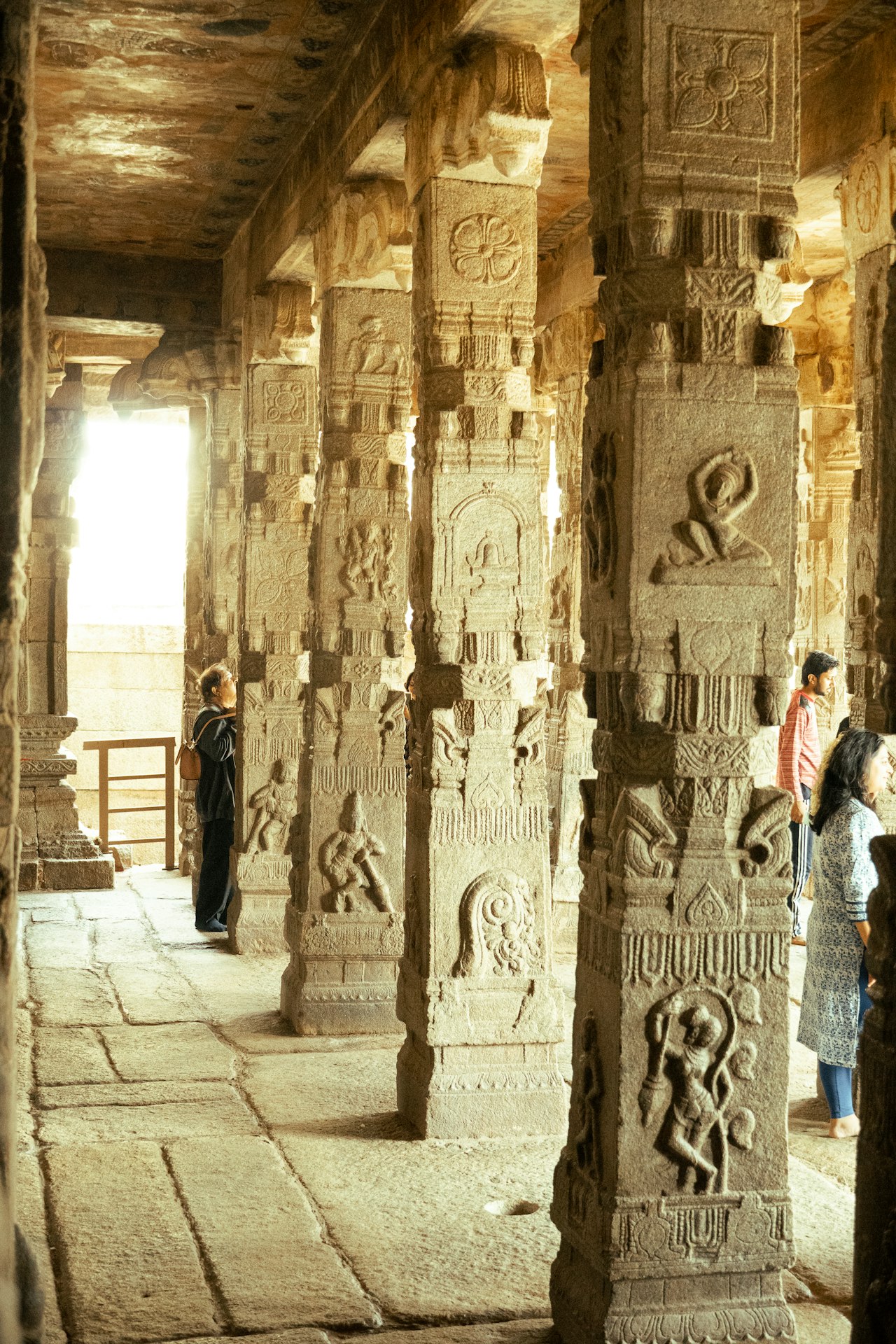
The Sabha Mandapa, or assembly hall, is where devotees gather for darshan and community worship. This expansive hall measures approximately 100 square meters, providing ample space for the faithful who visit daily.
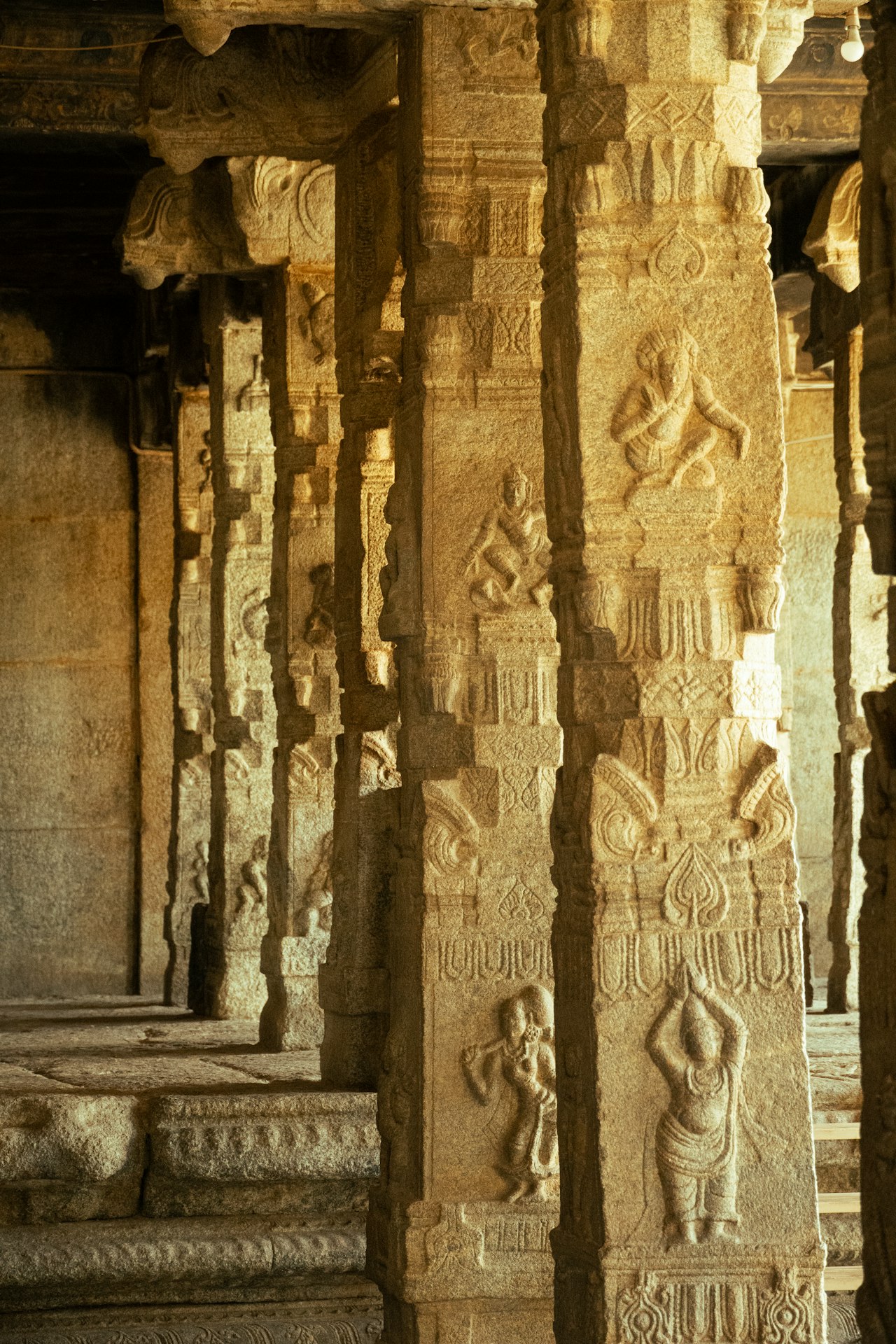
The hall features beautifully carved stone pillars that bear testimony to the craftsmanship of 19th-century artisans. Each pillar is adorned with motifs inspired by Hindu mythology and sacred geometry.
Kalash & Shikhara
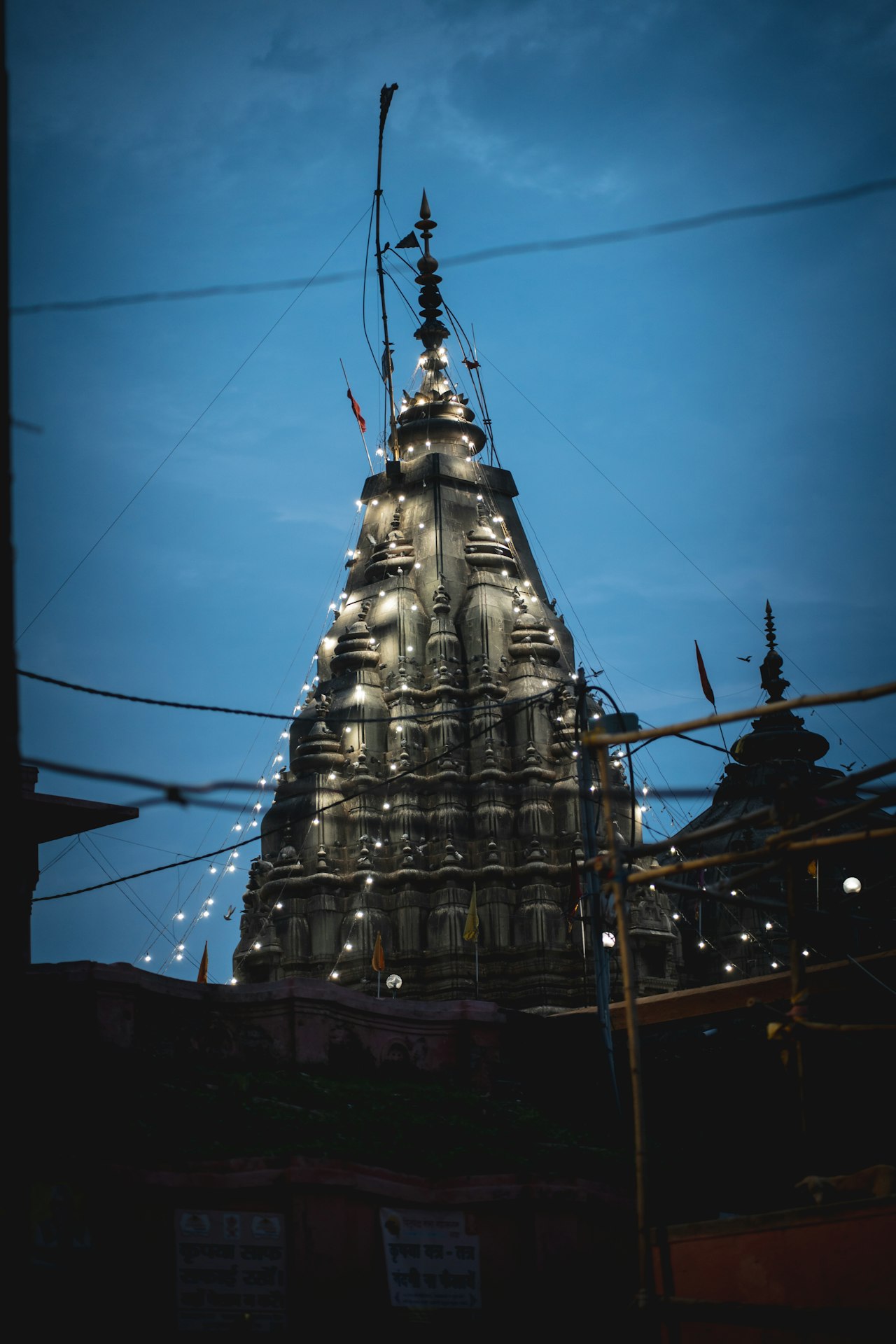
The temple's golden Kalash (pinnacle) stands proudly at 15 meters, gleaming against the Mumbai skyline and serving as a beacon for devotees from afar. The Kalash is considered the crown of the temple and symbolises the connection between the earthly and the divine.
The Shikhara (tower) follows traditional Hindu temple architecture, rising in a graduated pyramidal form. 27 decorative spires adorn the roof, each intricately crafted and adding to the temple's majestic profile.

Dhwaja Stambha
The sacred Dhwaja Stambha (flag pole) rises to a height of 10.6 meters, standing as a symbol of the temple's spiritual presence and announcing its sanctity to all who approach.
The flag is ceremonially hoisted during major festivals such as Navratri and Diwali, marking the beginning of sacred celebrations. The Dhwaja Stambha represents the axis mundi, the cosmic pillar connecting heaven and earth.

Temple Entrance
The grand entrance welcomes devotees with intricate carvings that depict scenes from Hindu mythology and sacred motifs. The craftsmanship reflects the artistic traditions of Western India's temple-building heritage.
Stone steps lead up to the main hall, creating a gradual and reverent ascent into the sacred space. Guardian figures known as Dwarapalas flank the entrance, standing as celestial protectors of the divine abode within.
Architectural Style
A harmonious blend of two great temple-building traditions
Dravidian Influence
The temple exhibits characteristics of the Dravidian style commonly found in South Indian temples, including the pyramidal tower structure (Vimana) and the elaborate gateway design. This influence reflects the cultural exchanges along India's western coast.
Nagara Influence
The Nagara style, prevalent in North India, is evident in the curvilinear Shikhara and the overall vertical thrust of the temple's silhouette. The fusion of these two traditions creates the distinctive Dravidian-Nagara hybrid architecture style common in Western Indian temples.
Built primarily with stone and featuring intricate carvings, the Shri Mahalakshmi Temple follows the traditional Dravidian-Nagara hybrid architecture style common in Western Indian temples. This unique blend reflects the cultural confluence of North and South Indian temple-building traditions that flourished along the Konkan coast during the early 19th century.
Conservation & Preservation
Safeguarding a sacred heritage for future generations
Preserving Sacred Heritage
The Shri Mahalakshmi Temple Trust is committed to ongoing maintenance and renovation efforts to preserve the temple's architectural heritage. Regular restoration work ensures that the stone carvings, golden Kalash, and structural integrity of this nearly two-century-old temple are maintained to the highest standards.
Conservation experts work alongside traditional craftsmen to use authentic materials and time-honoured techniques whenever restoration is undertaken. This careful approach ensures the temple retains its historical authenticity while remaining safe and welcoming for the thousands of devotees who visit each day.
The Temple Trust welcomes contributions towards conservation efforts. Your donations help preserve this sacred monument for future generations of devotees.
Support ConservationExplore More of the Temple
Dive deeper into the history, festivals, and spiritual life of Shri Mahalakshmi Temple.