|| ॐ श्री महालक्ष्म्यै नमः ||
022-2351 3831 Darshan: 6:00 AM - 10:00 PM Mahalaxmi West, Breach Candy, Mumbai
Home About Darshan & Aarti Pooja Services Gallery Festivals Architecture How to Reach Accommodation Nearby Attractions Visitor Guidelines Live Darshan Blog Contact FAQ Donate Now

|| ॐ श्री महालक्ष्म्यै नमः ||

About Shri Mahalakshmi Temple

Discover the sacred history, divine legends, and spiritual heritage of one of Mumbai's most revered temples.

🙏

The Sacred History

A journey through time — from divine legend to living heritage

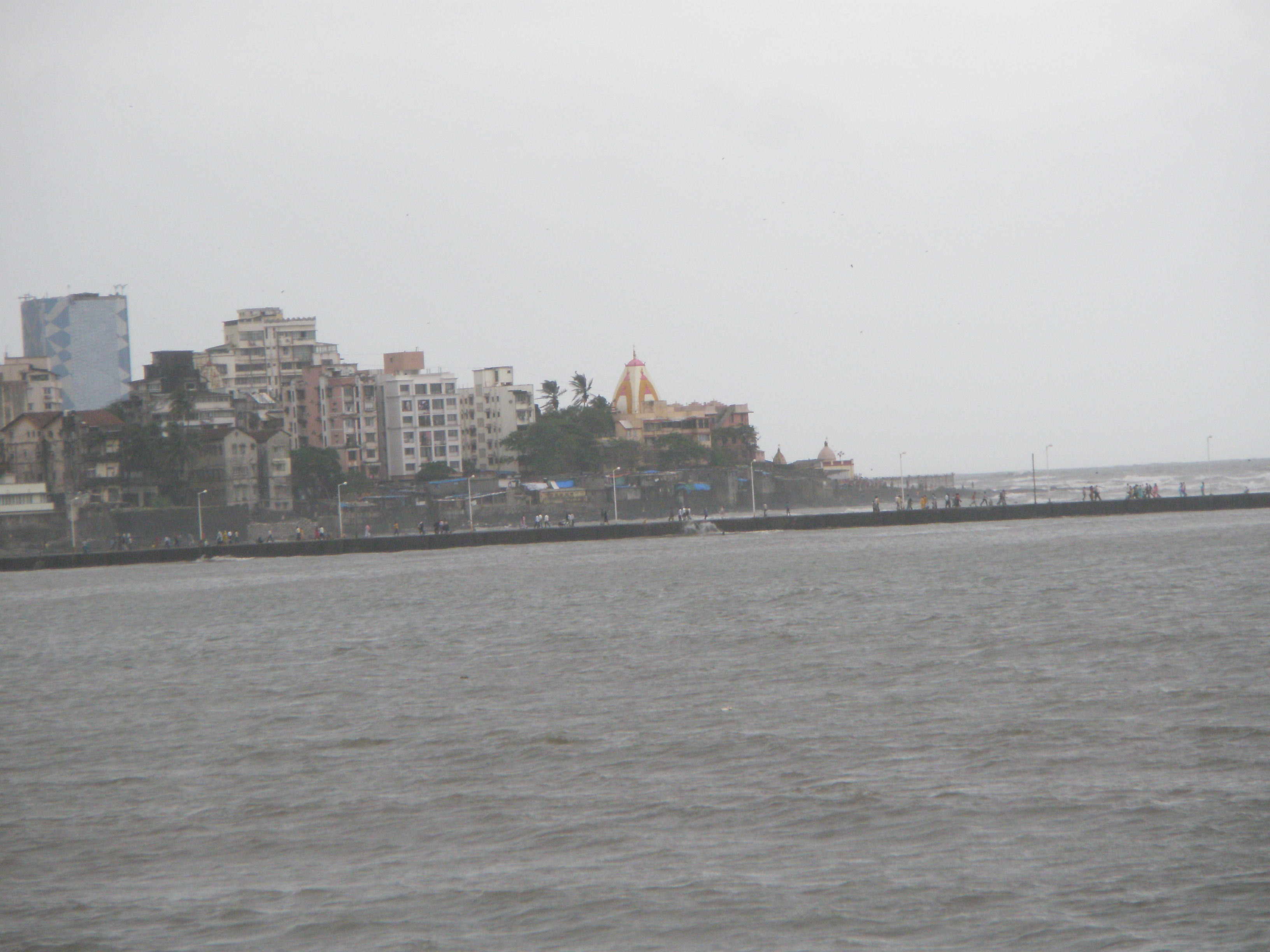
Historic view of Shri Mahalakshmi Temple Mumbai

Origins & the Hornby Vellard Legend

The original temple at this sacred site is believed to have been first constructed around 1761 by Ramji Shivji Prabhu, a devout Hindu merchant, establishing it as one of the earliest places of worship dedicated to Goddess Mahalakshmi in the island city of Bombay.

The most celebrated legend of the temple is intricately connected to the construction of the Hornby Vellard — an ambitious sea reclamation project undertaken by the British colonial government under Governor William Hornby in the late 18th century. The project aimed to link the seven islands of Bombay by constructing a massive causeway, but the relentless sea kept destroying the construction work time and again.

Frustrated engineers and workers were losing hope, until a local Hindu priest dreamt that an idol of Goddess Mahalakshmi lay hidden beneath the waves. Upon searching, workers miraculously discovered three idol heads in the Arabian Sea — those of Goddess Mahalakshmi, Goddess Mahakali, and Goddess Mahasaraswati. A temple was promptly built to enshrine these sacred idols, and remarkably, the sea construction succeeded thereafter without further destruction.

In 1831, the wealthy Hindu merchant Dhakji Dadaji rebuilt and expanded the temple into the grand structure that forms the foundation of the temple we see today. His generous patronage transformed it into a major pilgrimage site in Mumbai.

🕉

Temple Timeline

Key milestones in the temple's illustrious history

1761

Original Temple Founded

Ramji Shivji Prabhu establishes the first known shrine dedicated to Goddess Mahalakshmi on this site along the western coast of Bombay island. The humble structure attracts local devotees and fishermen who venerate the Goddess of wealth and fortune.

1784

Hornby Vellard & the Divine Discovery

During the ambitious Hornby Vellard sea reclamation project, the construction faces repeated failure as the sea destroys the work. A priest's divine dream leads to the miraculous discovery of three sacred idol heads — Mahalakshmi, Mahakali, and Mahasaraswati — in the Arabian Sea. The idols are enshrined, and the sea construction finally succeeds.

1831

Grand Reconstruction by Dhakji Dadaji

The wealthy Hindu merchant Dhakji Dadaji commissions a grand reconstruction and expansion of the temple. The new structure, built in traditional Hindu architectural style, features an ornate sanctum sanctorum housing the three Tridevi idols. This reconstruction establishes the temple as a major pilgrimage destination.

1880s

Renovations & Growing Devotion

Major renovations are carried out in the 1880s to accommodate the growing number of devotees. The temple's reputation spreads across the Bombay Presidency, attracting pilgrims from far-flung regions. Additional mandapams (halls) and facilities are constructed, and the temple trust is formally organized to oversee daily operations and festivals.

Modern Era

A Living Heritage

Today, Shri Mahalakshmi Temple stands as one of the most visited and revered Hindu temples in Mumbai. The temple has undergone thoughtful modern renovations while preserving its historic character. Thousands of devotees visit daily, and the Navratri celebrations draw lakhs of worshippers each year. The temple continues to be a beacon of faith, culture, and community in the heart of the city.

The Tridevi — Three Supreme Goddesses

The three principal deities enshrined in the sanctum sanctorum, representing the supreme feminine divine energy

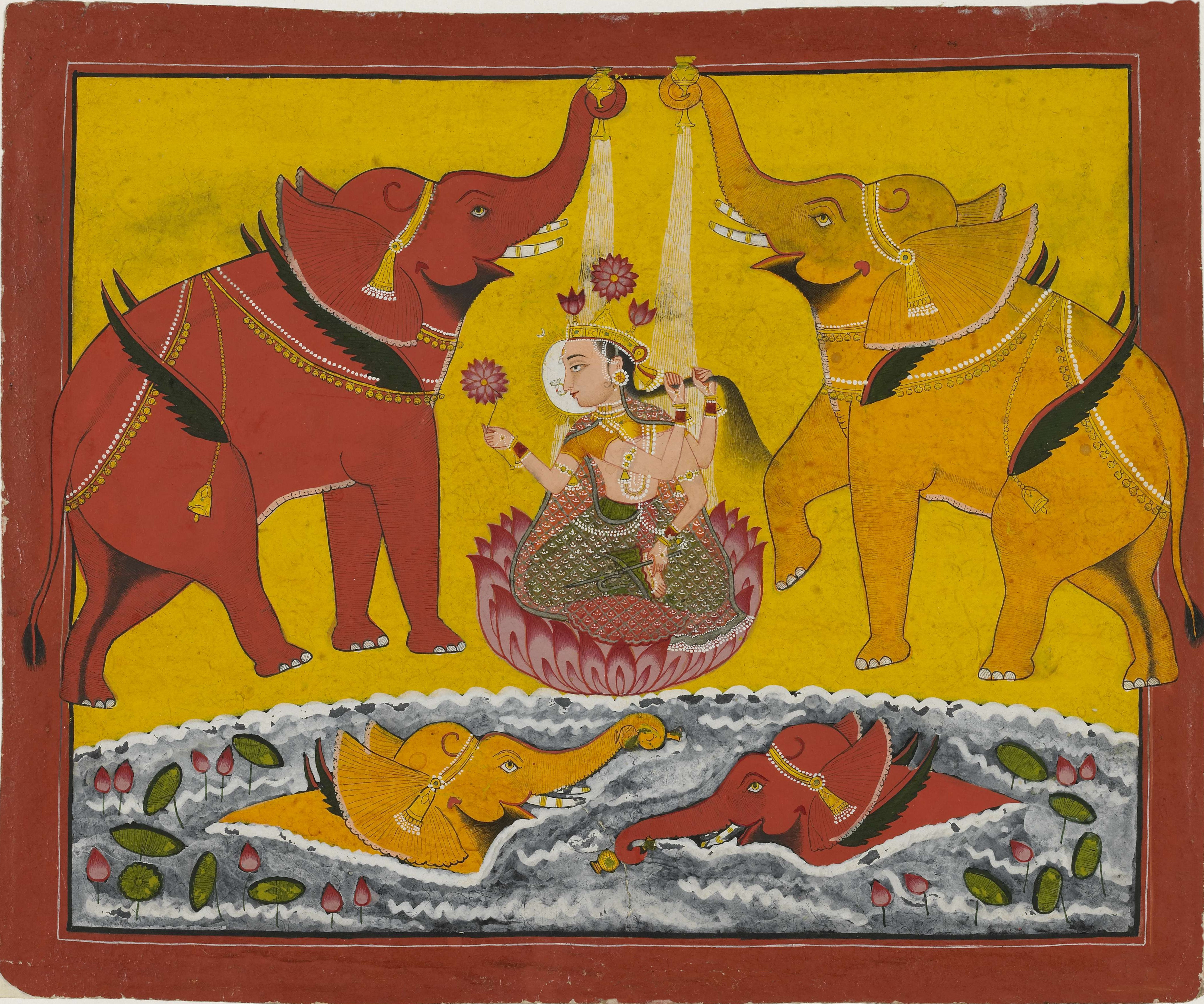
Goddess Mahalakshmi - Goddess of Wealth and Prosperity

Goddess Mahalakshmi

Goddess of Wealth & Prosperity

The principal deity of the temple, Goddess Mahalakshmi is the divine consort of Lord Vishnu and the supreme bestower of wealth, fortune, luxury, and material fulfillment. She is depicted with four arms — holding a lotus flower symbolizing purity and beauty, a golden pot (Kalasha) overflowing with prosperity, and sacred weapons signifying her protective power.

Adorned in a resplendent red sari with gold ornaments, she sits or stands on a fully bloomed lotus. Devotees worship her for abundance, well-being, and the grace to lead a righteous and prosperous life.

Goddess Mahakali - Goddess of Power and Destruction of Evil

Goddess Mahakali

Goddess of Power & Destruction of Evil

The fierce and awe-inspiring form of the Divine Mother, Goddess Mahakali represents the ultimate destruction of evil forces and the protection of her devotees from all negativity. She is depicted with a dark complexion that symbolizes the infinite cosmos and the dissolution of all forms.

She wields an array of powerful weapons — the sword of knowledge, the trident of divine will, and the mace of strength. Despite her fierce exterior, Mahakali is the compassionate mother who fiercely protects her children from harm and ignorance.

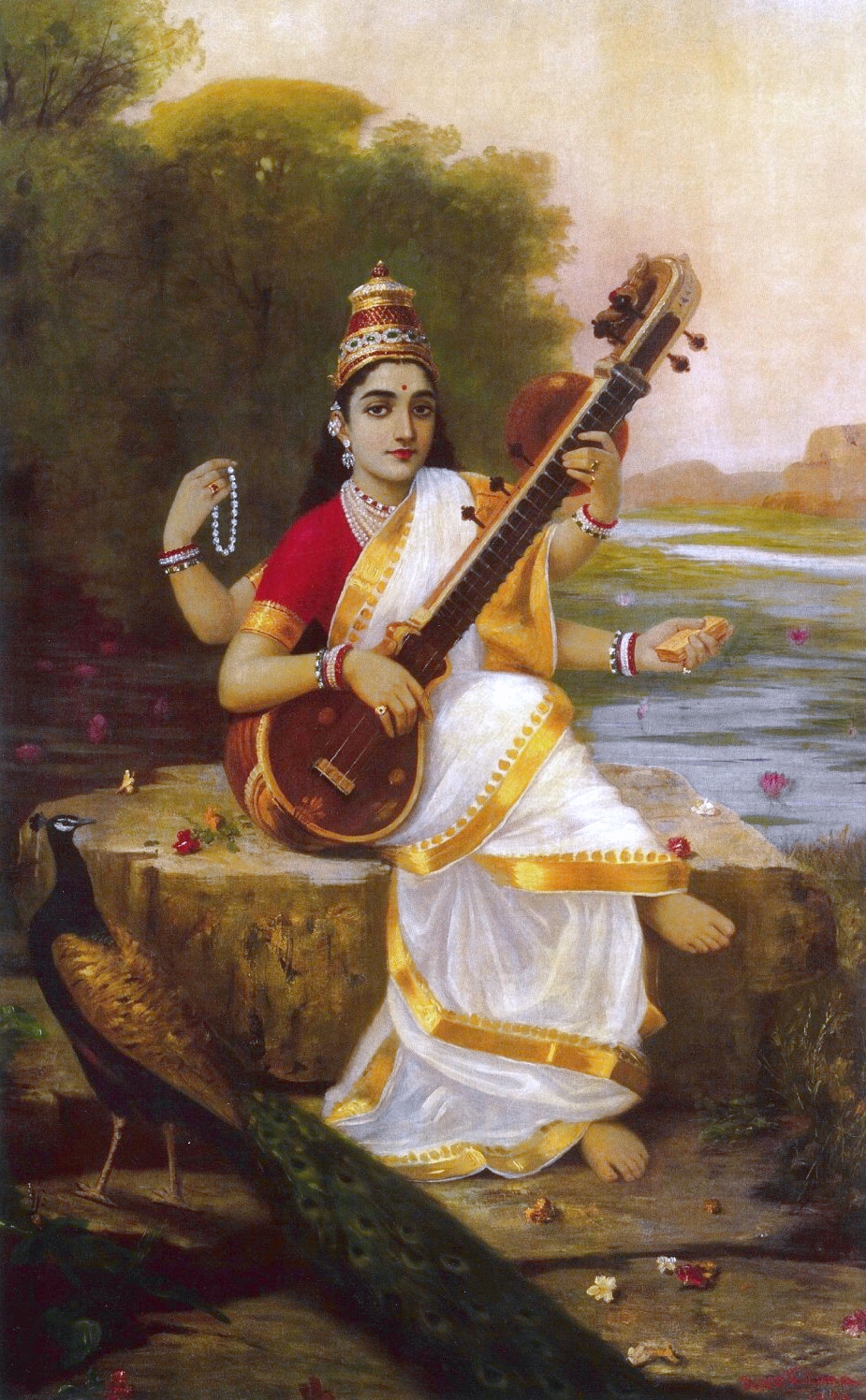
Goddess Mahasaraswati - Goddess of Knowledge and Wisdom

Goddess Mahasaraswati

Goddess of Knowledge & Wisdom

The divine embodiment of learning, music, and the arts, Goddess Mahasaraswati blesses devotees with knowledge, wisdom, creativity, and artistic excellence. She is gracefully depicted wearing a pristine white sari, symbolizing purity of thought and the light of true knowledge.

She holds the veena (the sacred stringed instrument representing mastery of arts and music), sacred books (the Vedas, symbolizing supreme knowledge), a rosary (representing meditation), and a water pot (symbolizing creative power). Students, scholars, and artists seek her blessings for success in their pursuits.

🔱

Why This Temple is Special

The enduring spiritual significance of Shri Mahalakshmi Temple

Most Visited Temple in Mumbai

Shri Mahalakshmi Temple is one of the most visited and cherished Hindu temples in the city of Mumbai. Every day, thousands of devotees from all walks of life — from businessmen and families to students and tourists — come to seek the blessings of the Tridevi. During major festivals like Navratri and Diwali, the temple attracts lakhs of worshippers, making it one of the most vibrant spiritual centers in all of Maharashtra.

Rare Tridevi Worship

What makes this temple truly unique in the Hindu spiritual landscape is the worship of the Tridevi — the three supreme Goddesses — under one roof. While temples dedicated to individual deities are common, a temple that enshrines Mahalakshmi, Mahakali, and Mahasaraswati together in a single sanctum sanctorum is exceedingly rare. This Tridevi worship represents the complete cycle of creation (Saraswati), preservation (Lakshmi), and dissolution (Kali) — the three fundamental forces of the universe.

Significance in Hindu Mythology

In Hindu mythology, the Tridevi are the divine feminine counterparts (Shaktis) of the holy Trimurti — Brahma, Vishnu, and Shiva. Goddess Mahalakshmi as Vishnu's consort sustains the universe through wealth and order. Goddess Mahakali, Shiva's Shakti, represents the transformative power of time and destruction of adharma. Goddess Mahasaraswati, Brahma's consort, brings forth creation through knowledge and the arts. Together, they embody the complete divine feminine energy — Adi Parashakti — that governs the cosmos.

Architectural Heritage

The temple's architecture reflects a harmonious blend of traditional Hindu temple design with later colonial-era influences. The ornate carvings, the imposing gopuram-style entrance, and the meticulously decorated sanctum sanctorum all speak to the craftsmanship of artisans who built and maintained this sacred structure over nearly two centuries.

Cultural & Community Hub

Beyond being a place of worship, the temple serves as a cultural and community hub for Mumbaikars. It is intrinsically linked to the city's identity and history — from the reclamation of the islands of Bombay to the cultural fabric of modern Mumbai. Charitable activities, anna-daan (food distribution), and educational programs run by the temple trust continue to serve the community.

Stay Connected with the Temple

Receive darshan updates, festival announcements, and spiritual content directly in your inbox.